
What is human composting, otherwise known as ‘terramation’?
Terramation: An introduction to human composting
In recent years, there has been a growing interest in sustainable and environmentally friendly practices in all aspects of life, including end-of-life care. Terramation, also known as human composting or natural organic reduction, is an innovative and eco-friendly alternative to traditional burial and cremation. This blog post will explore the concept of terramation, discuss its environmental benefits, and highlight its role in promoting a sustainable approach to death care in the UK.
What is Terramation?
Terramation is a process that transforms human remains into nutrient-rich soil through natural decomposition. Instead of using traditional embalming chemicals, caskets, and burial vaults, the body is placed in a specially designed vessel with a mixture of wood chips, straw, and other organic materials. Over the course of several weeks, microbes break down the organic matter, generating heat and reducing the body to a rich, fertile soil.
How the terramation process works
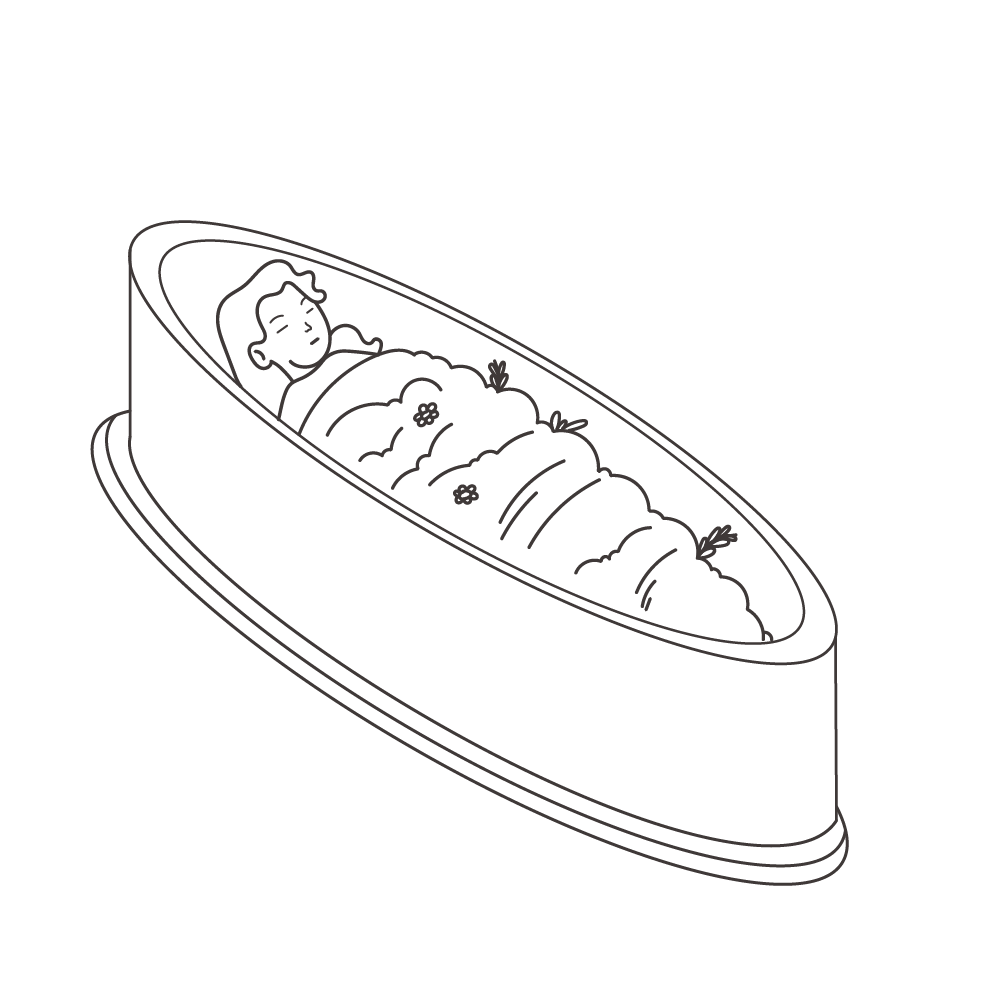
Preparation of the body
The deceased person's body is cleaned and prepared, with any non-biodegradable materials such as pacemakers or artificial joints removed. The body is then placed in a biodegradable shroud or coffin made from natural materials like wood, bamboo, or recycled paper.
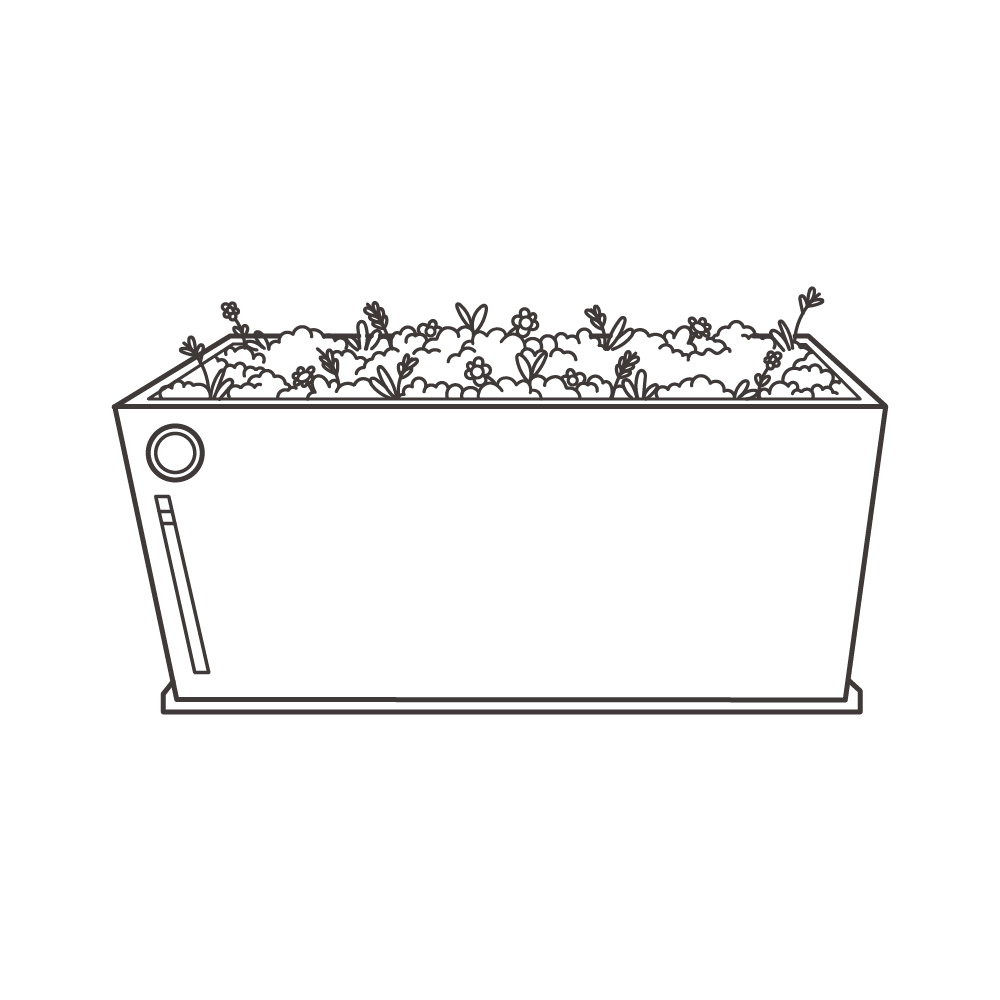
Placement in the Terramation Vessel
The body is carefully placed into a specially designed terramation vessel, which is filled with a mixture of organic materials such as wood chips, straw, and other natural sources of carbon and nitrogen to support decomposition.
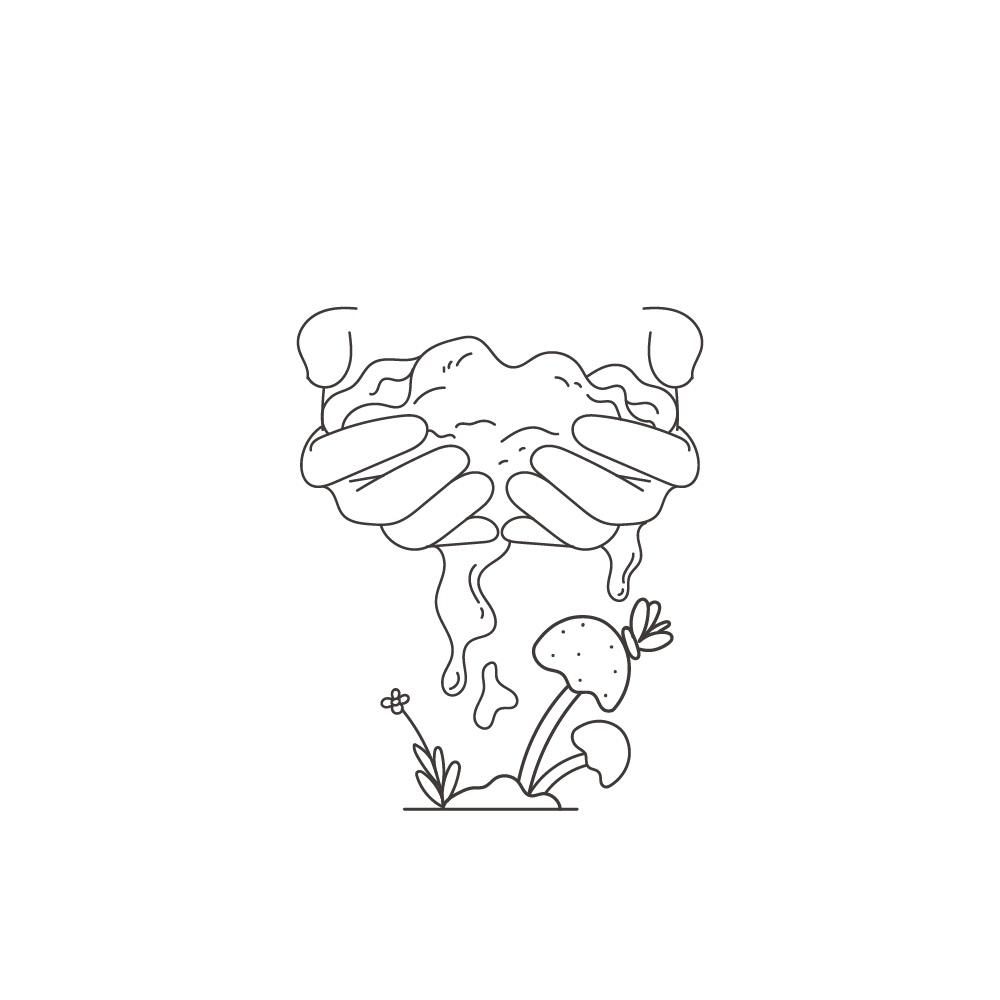
Accelerated Composting
The vessel is closed, and temperature and humidity are regulated to create an optimal environment for natural breakdown. Aerobic bacteria and other microorganisms decompose the remains, producing heat, carbon dioxide, and water as byproducts. This stage typically takes 4 to 7 weeks.
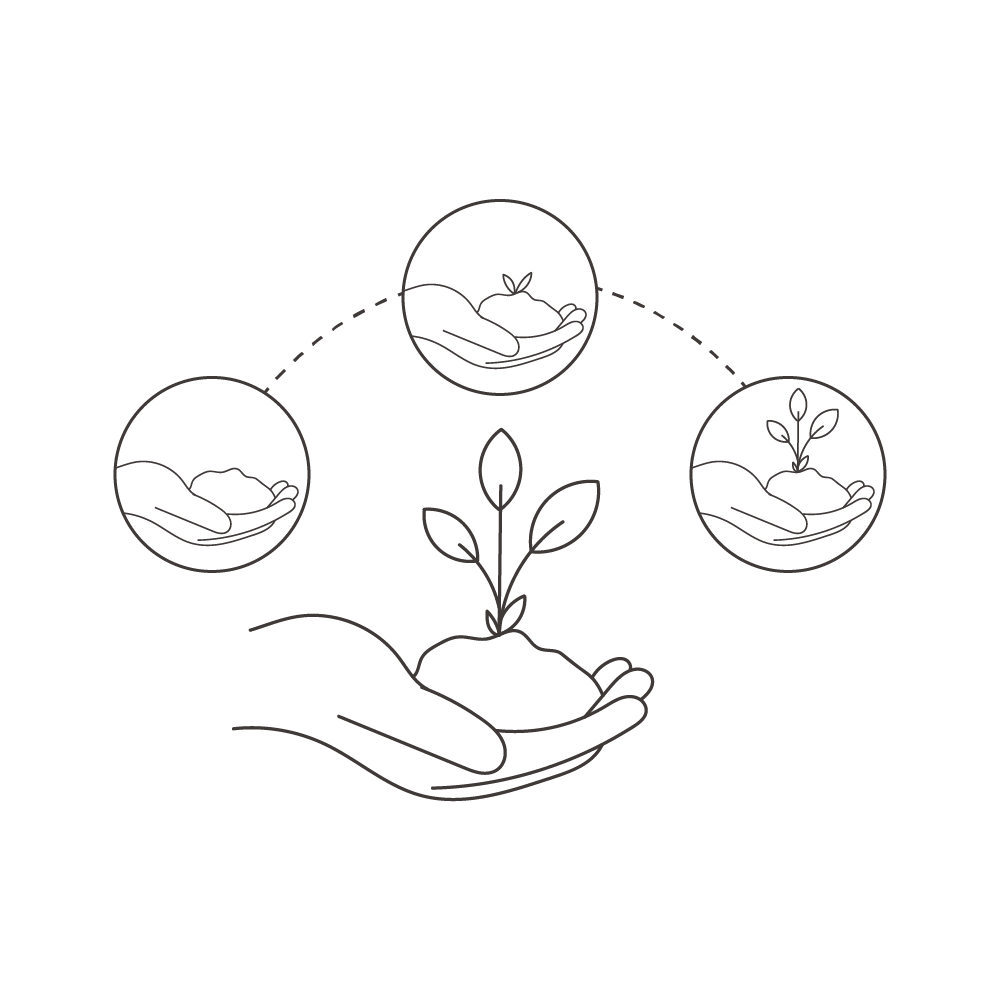
Removal and Screening
After decomposition is complete, the nutrient-rich soil is removed from the vessel. It is then screened to separate any remaining non-biodegradable materials, such as metal dental fillings, which can be responsibly disposed of or recycled.

Final resting place
The resulting soil can be given to the family, used to plant a memorial tree, or incorporated into a garden or natural space to honour the deceased. In this way, terramation returns the body's nutrients to the earth and completes the natural cycle.
The Environmental Benefits of Terramation
Terramation offers several significant environmental benefits compared to conventional burial and cremation methods:
- Reduced Carbon Emissions: Cremation requires a significant amount of energy and produces greenhouse gases, contributing to climate change. Terramation, on the other hand, is a low-energy process that produces little to no greenhouse gases.
- Resource Conservation: Traditional burials often involve the use of precious resources, such as hardwoods for caskets and concrete for burial vaults. Terramation eliminates the need for these materials, conserving natural resources and reducing waste.
- Land Use: As the population grows and urban areas expand, available land for burial is becoming increasingly scarce. Terramation requires much less space, as the resulting soil can be used to nourish plants, trees, or even public green spaces.
The Role of Terramation in Sustainable Death Care
By embracing terramation, the UK can take a significant step towards more sustainable death care practices. Terramation aligns with the values of those who are environmentally conscious, providing an option that is both respectful of the deceased and kinder to the planet.
Additionally, the increased adoption of terramation can help to foster a cultural shift in the way we view death and the environment. As more people choose this sustainable option, it may encourage greater awareness of environmental issues and promote more eco-friendly practices in other areas of life.
Terramation is a promising and environmentally friendly alternative to traditional burial and cremation methods. As the UK continues to seek ways to reduce its environmental impact, terramation provides a sustainable and eco-conscious approach to death care. By choosing terramation, we can honour our loved ones while also caring for the planet we all share.